Innovation & Tech
Read more about the latest updates in our offering.

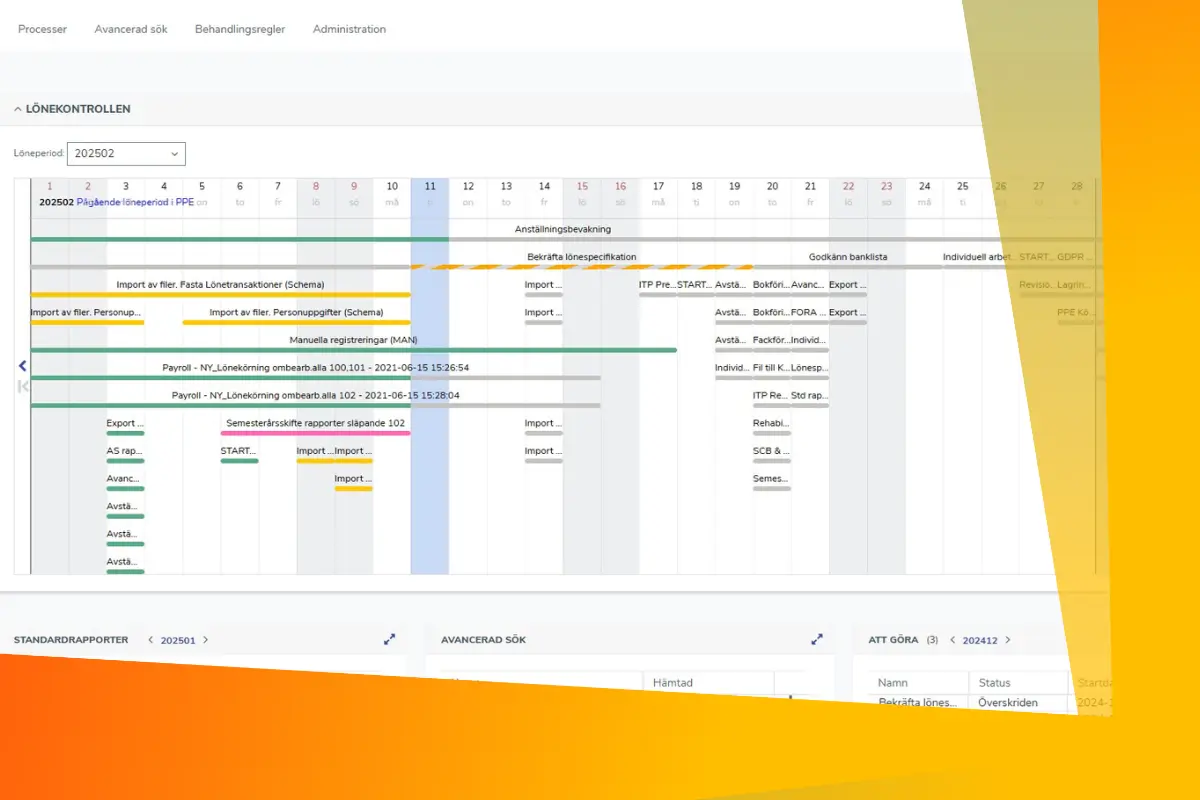
SD Worx Lön: modernisation at speed for better employee experience
SD Worx Lön, SD Worx’s market-leading payroll solution for Swedish employers, is showing how a long‑standing, business‑critical payroll platform can be modernised while ensuring continuity for customers. By applying agentic AI coding, frontend updates that once required large, multi‑year transformation efforts are now delivered incrementally, alongside ongoing product development.
Thanks to AI and coding agents, 90% of the development work is now automated, which saves a significant amount of time. Of course, manual user acceptance testing is still required, but it already represents a significant reduction in the overall workload involved in migration or updates.
At the same time, the payroll platform is being extended with enhanced HR functionality beyond payroll, including expenses, time tracking, travel, and payslips. New role‑based, in‑system learning content supports faster digital onboarding and encourages more self‑service‑oriented ways of working.
As from Q1 2026, the solution also supports Swish, Sweden’s leading mobile payment method, enabling near‑immediate reimbursement of approved expenses rather than waiting for the monthly payroll run.
Together, these initiatives combine technical modernisation with tangible employee‑centric improvements, strengthening both the long‑term platform foundation and the day‑to‑day user experience.
Hybrid payroll teams for more proactive customer engagement
SD Worx is accelerating the integration of AI in the payroll administration function and is pioneering a scalable multi-agent AI model, working in close collaboration with human payroll experts.
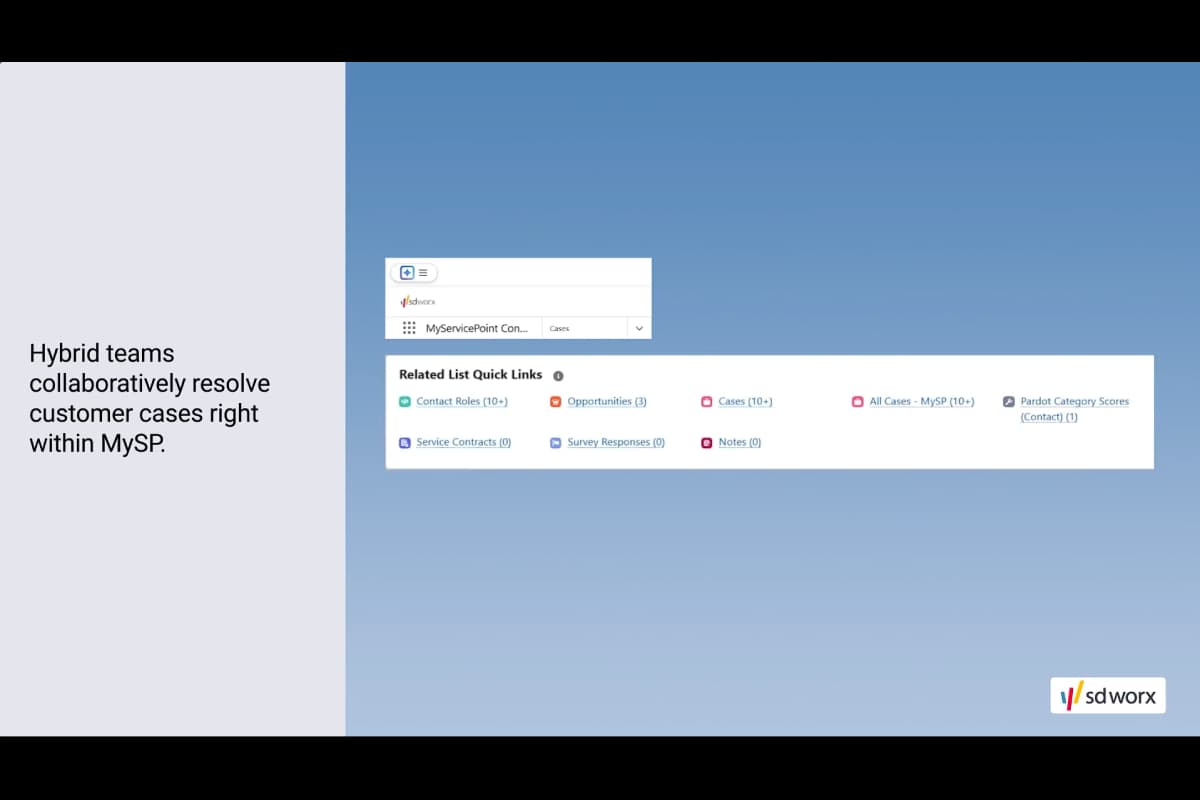
At the core is a co‑intelligent workforce, where payroll professionals collaborate with multiple AI agents to handle customer queries and payroll activities.
This model transforms the role of the payroll professional from information facilitator to orchestrator of a hybrid human AI-team: an agentic AI team coordinator dynamically combines inputs from customer engagement, knowledge, and payroll assistants, with humans validating and fine-tuning customer responses. AI governance is crucial, clearly defining when human intervention is required and when automation can operate autonomously.
The setup is modular, market‑scalable, and customer‑specific, enabling meaningful personalisation at scale. Following extensive testing, the system is now live for seven Belgian payroll teams. By summer it will be supporting more than 500 payroll consultants in Belgium. Each payroll professional is backed by seven or more AI agents working in parallel, driving efficiency gains while freeing capacity for more proactive, advisory‑led customer engagement.
This marks a concrete step beyond experimentation, positioning agentic AI as a structural productivity lever rather than a point solution.